Can AI Hiring Tools Be Completely Unbiased? Why 'Zero Bias' Is a Claim to Ignore
No. A flawless screen can fail the four-fifths test, and one that passes can miss qualified people. Ask vendors which fairness measure they use.
- Less legal risk
- Fairer hiring
Nov 3, 2026 · 3 min read
The question first: can an AI hiring tool be completely unbiased? No. A flawless screen, one that picks exactly the qualified people, can still fail the four-fifths test. A screen that passes it can miss 30% of the qualified people in one group. So when a vendor says "zero bias" on a demo call, the honest reply is "by which definition?", because there is no single one.
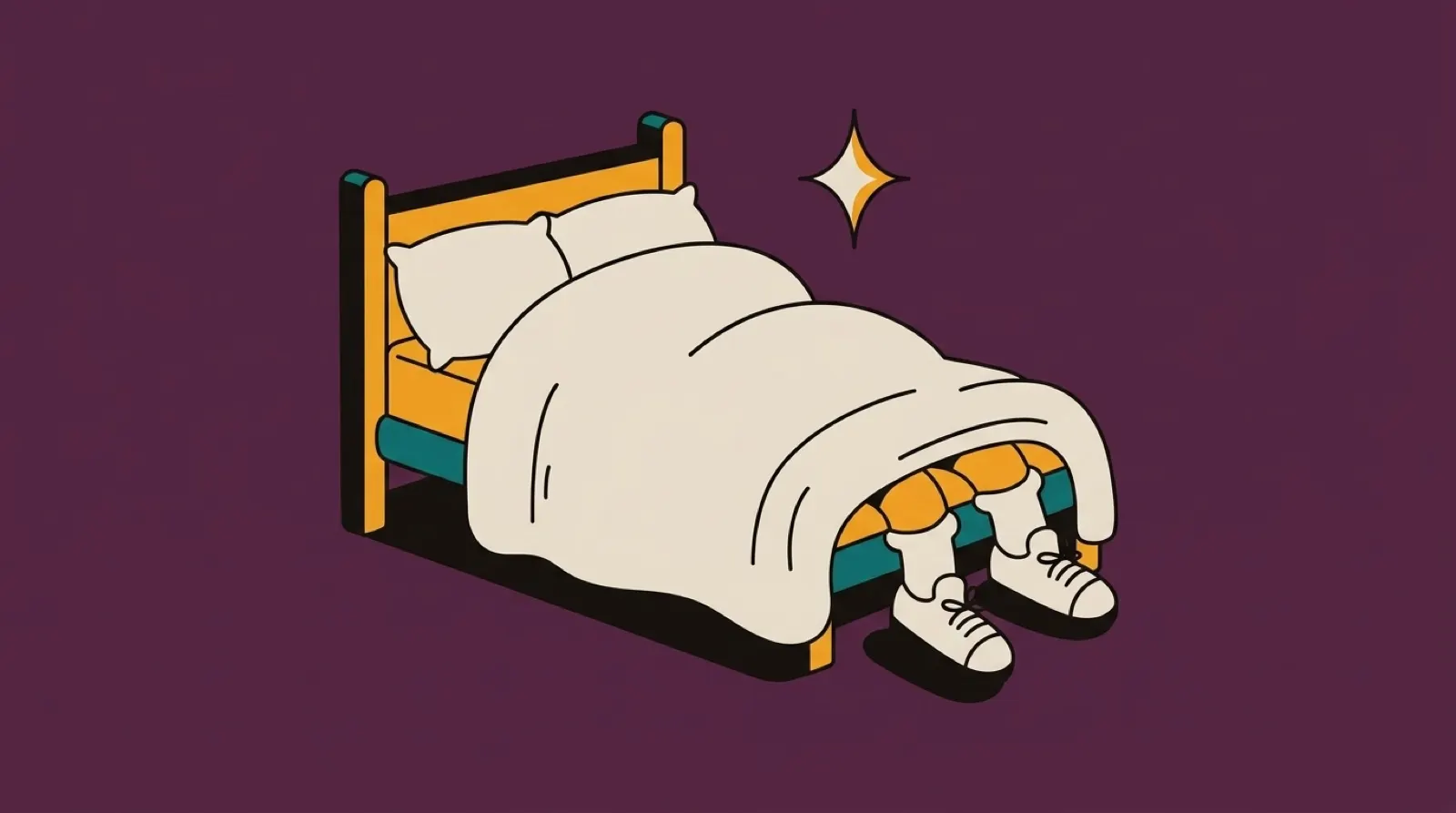
The blanket that is too short
Pull a short blanket over your head and your feet stick out. Fairness in selection is similar. Two plain definitions: pick the same share of each group, or make the same kind of mistakes for each group. Here is the conflict with invented numbers. Two groups of 100 applicants. In group A, 50 are qualified. In group B, 20 are.
| Policy | Selected A / B | Selection rate A / B | Qualified people missed A / B | Unqualified people picked A / B |
|---|---|---|---|---|
| Pick exactly the qualified | 50 / 20 | 50% / 20% | 0% / 0% | 0 / 0 |
| Pick 35 from each group | 35 / 35 | 35% / 35% | 30% / 0% | 0 / 15 |
The first row is a flawless screen, and its selection rates fail the four-fifths test (20 / 50 = 0.40). The second row passes it with an impact ratio of 1.0, and it does so by missing 30% of the qualified people in group A and picking 15 unqualified people in group B. Neither row is "zero bias". Each picks which unfairness you accept. Two well-known papers proved a related result for criminal risk scores, not hiring: outside special cases, common fairness tests cannot all pass at once when groups differ (Kleinberg, Mullainathan and Raghavan, 2016; Chouldechova, 2017).
What the number can honestly say
The US rule most vendors quote is the four-fifths rule. The federal Uniform Guidelines say a selection rate below four-fifths (80 percent) of the highest group "will generally be regarded" as evidence of adverse impact, while smaller gaps can still count and larger ones may not when the numbers are small. That is a screen, not a certificate. Raghavan and colleagues (2019) reviewed 18 vendors of hiring assessments and wrote that all focus on "equality of outcomes and compliance with the 4/5 rule". In 2024 the ACLU asked the US Federal Trade Commission to examine "bias-free" claims for AI hiring tools (per law firm Venable).
So "passes the four-fifths rule" can be true. "Unbiased" can't. Passing says nothing about missed qualified candidates, about roles other than the one audited, or about small samples. Whether a given audit is enough is a question for a local lawyer, and nothing here replaces one.
Four questions that replace "zero bias"
On the call: "By which definition?" In writing, send these before you sign:
1. Which fairness measure do you test (selection rates, error rates, or both), and why that one?
2. Show me the results by group for a role like ours, with sample sizes.
3. Who ran the test, and can I read the full report?
4. What do you do when the numbers fail, and how often do you re-test?
Red flags in the reply: only "we pass the four-fifths rule" or "zero bias"; no sample sizes, or a different role; a self-run test with no report to read; no answer on re-testing.
For deeper lists, see the seven-question version for ATS buyers and why a vendor's own certificate is a weak shield.
The pushbacks
"So bias is unavoidable and we can relax?" No. The point is that fairness is a choice you can see and measure. Pick the measure on purpose, test it on your own data with an adverse impact check, and keep a person who knows which measure was chosen, and what it ignores, in the decision.
This article is general information, not legal advice. Laws differ by country and change often, so consult your lawyer before you rely on it for your situation.