Should I Use an AI Chatbot for Initial Candidate Screening?
Yes, for logistics like availability, location, shifts and work permits. No for judging fit or rejecting anyone: a person should make those calls.
- Better candidate experience
- Saves time
- Less legal risk
Nov 3, 2026 · 5 min read
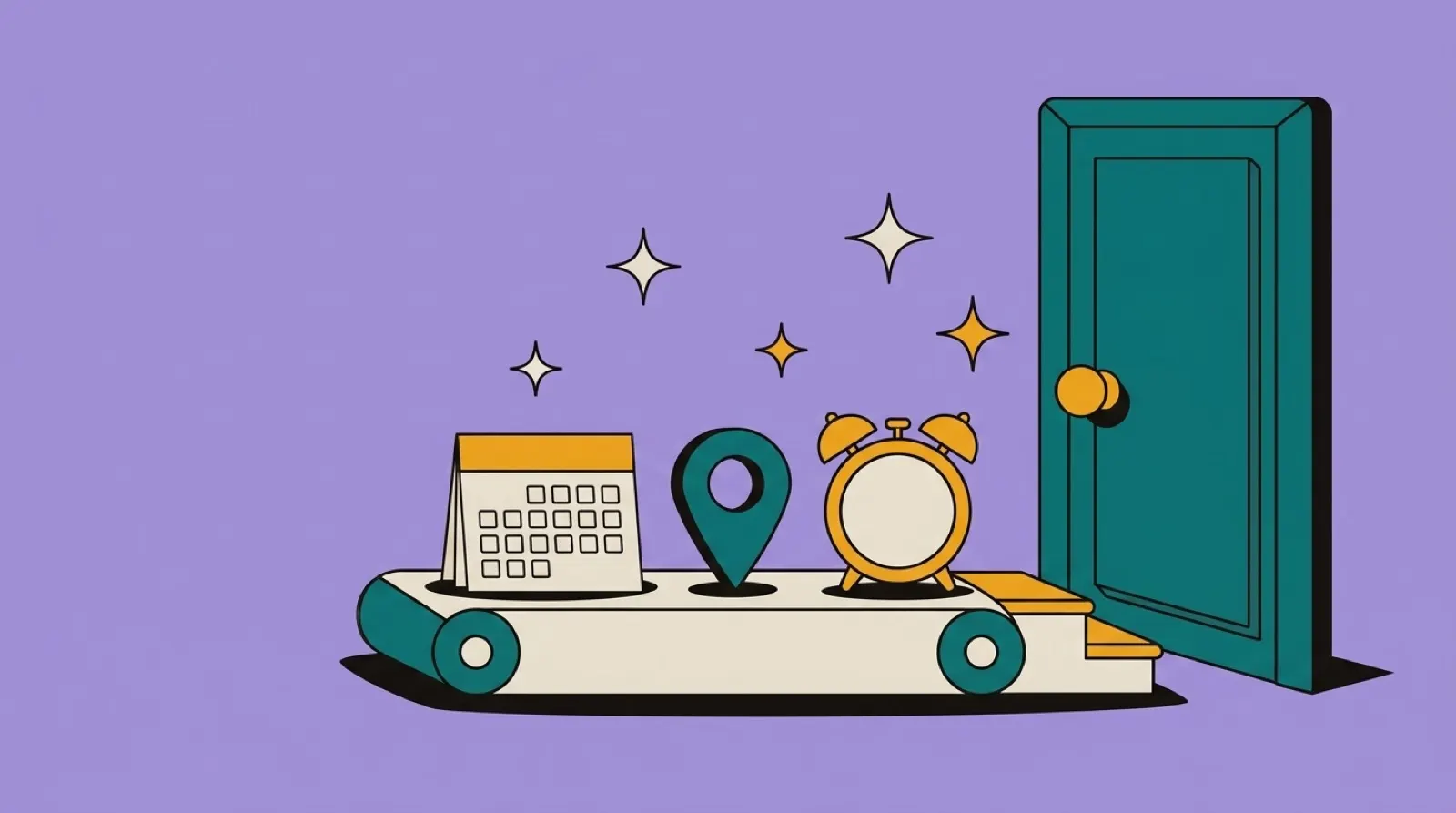
Yes for logistics, no for judgment: let a chatbot ask about availability, location, shifts and work permits, but never let it judge fit or send a rejection.
The short answer: a chatbot is good at collecting facts fast, at any hour. It is bad at weighing them, and candidates can tell when they're being "processed rather than considered", in the words of Greenhouse's Sharawn Tipton. Keep the bot to a few factual questions, say it's a bot, and send every mismatch to a person, because even a logistics no isn't automatically a no: the person who can't do Saturdays may suit the weekday team.
Who asks what
| The bot asks | A person handles |
|---|---|
| Which days or shifts can you work? | Is this experience close enough? |
| Can you get to [location]? | Does that career gap matter? |
| When could you start? | Would they do well on this team? |
| Do you have the right to work in [country]? (never ask nationality) | Anything that ends in "no" |
"Can you work Saturday nights?" takes ten seconds and has an answer the candidate knows. A no on fit is a judgment, and it needs someone who can explain it. That's where the line sits.
Patience is already thin
In a 2026 Greenhouse survey of 2,950 job seekers, 38% of the US respondents had pulled out of a hiring process because it included an AI interview, 70% said the AI wasn't clearly disclosed, and 51% of those who finished one never heard an outcome. That's vendor research on full AI interviews, not short chats, but Gartner's 2025 candidate surveys agree: only 26% trust AI to judge them fairly.
Source: Greenhouse 2026 Candidate AI Interview Report, on AI interviews (2,950 job seekers, US figures); Gartner candidate surveys, 2025
Show the data
| of US job seekers pulled out of a process because of an AI interview | 38% |
| who finished an AI interview never got an outcome | 51% |
| of candidates trust AI to judge them fairly | 26% |
One Hacker News thread on it (August 2025) came down to time. The top comment described about 45 minutes talking at a computer, then silence. The commenter's point: the company spent no human time, and the candidate spent their own.
A script you can paste
Scheduling is the other easy win: Paradox, for example, says its assistant offers interview times by SMS, WhatsApp, chat or email and handles reschedules. Its claimed 40% drop in no-shows has no baseline, so test it.
For the screen itself, keep it under five minutes and offer a human: 46% of the US Greenhouse respondents wanted that option. Here is the whole bot, built from the table above:
Opening: "I'm an automated assistant, and a person reviews your answers. This takes under five minutes. If you'd rather speak to a person, type HUMAN at any time."

Questions (answer with yes, no or a date):
1. Which days or shifts can you work?
2. Can you get to [location]?
3. When could you start?
4. Do you have the right to work in [country]?

Rules for the bot:
- Do not ask about nationality, age, health or family.
- If any answer is no or unclear, do not reject. Pass to [recruiter name].
- Never tell the candidate they are not a fit.

Closing: "Thank you. [Recruiter name] will get back to you by [date], whatever the outcome."
Then everyone hears back from a person, yes or no.
"But the AI interviewer hired better people"
The strongest counter-argument is a field experiment by Brian Jabarian and Luca Henkel: 67,056 applicants for entry-level customer service jobs in the Philippines, randomly given a human or an AI voice interviewer. The AI group got more offers (9.73% vs 8.70%), more were still in the job a month later, and 78% picked the AI when given the choice.
Fair point: a bot asks more consistently than a tired recruiter. But that backs half of the split argued for here: human recruiters made every hiring decision in that study. It doesn't show a bot should judge fit, because the AI ran a full interview that fed people who made the call. Those who chose the AI also scored lower on language and analytical tests, so the 78% isn't a clean vote of confidence. And it was one firm and one role, it isn't peer-reviewed, and one author later took an unpaid role at the firm.
A word on the rules
In most places the safe pattern is that a person decides, candidates know a bot is involved, and their answers are protected. Europe's GDPR Article 22, for one, limits decisions based solely on automated processing. This is not legal advice: consult your lawyer, and see what the law says about AI screening.
Next step: paste the script above into your chatbot tool and cut anything that asks candidates to prove themselves; that belongs in the phone screen. Then screen the CVs with AI, and have a person send each rejection email.
This article is general information, not legal advice. Laws differ by country and change often, so consult your lawyer before you rely on it for your situation.