Can a Client Sue Your Staffing Agency Over AI Hiring Bias? Who Pays If a Shortlist Is Skewed
Yes, under your contract. But a candidate can sue you and the client together: two lawsuits about one shortlist, and indemnity may not hold.
- Less legal risk
- Fairer hiring
Nov 12, 2026 · 6 min read

Your AI screening tool built a shortlist. Months later a rejected candidate's lawyer says it filtered out women, and the client's legal team emails you one word: "Indemnity". Can the client come after you?
The short answer: yes, mostly under your contract, for what you promised about compliance and indemnity. But the bigger exposure is the candidate. In the US, a rejected candidate can bring a discrimination claim against your agency and the client together, and the EEOC's staffing guidance says both can owe the same back pay. The AI vendor may become a third defendant, not a replacement for you. Courts have been wary of indemnity clauses that let anyone contract out of discrimination law. And one court that let a vendor be sued noted it didn't procure workers. Your agency does, which by our reading puts you closer to the line.
Plain words on mostly US federal rules. Nothing here is legal advice, so talk to a lawyer about your own contracts.
Two lawsuits can come out of one shortlist:
| Who | Who can come after them | On what basis |
|---|---|---|
| Your agency | the candidate | Title VII's employment-agency rule, joint liability with the client |
| Your agency | the client | the contract: warranties, indemnity, disclosure |
| The client | the candidate | it made the decision, or set the criteria |
| The AI vendor | the candidate, maybe the client | the "agent" theory in Mobley; the vendor contract |
Myth 1: "The client picked the hire, so the client carries the risk"
Reality: an agency has its own duty, written into the statute. Title VII names employment agencies directly: it is unlawful for one "to fail or refuse to refer for employment" or to "classify or refer for employment" anyone because of race, color, religion, sex or national origin (42 U.S.C. 2000e-2(b)).
The EEOC's 1997 guidance on staffing firms (Notice 915.002) says it stays in effect until rescinded, and we found no rescission notice. Three lines from it:
- "a staffing firm is liable if it honors a client's discriminatory assignment request"
- when the firm learns a client discriminates, it "must take immediate and appropriate corrective action"
- where both contributed, they are "jointly and severally liable for back pay, front pay, and compensatory damages"
So the candidate can collect back pay, front pay and compensatory damages from either of you (punitive and liquidated damages are assessed separately). Who repays whom comes later, in the client's lawsuit.
Myth 2: "The AI vendor built the tool, so the vendor is liable, not us"
Reality: the vendor can be added, but you stay in. In Mobley v. Workday, a federal court in California ruled in July 2024 that Workday could be liable as an "agent" of the employers using it, because its software was "participating in the decision-making process" (as summarized by the law firm Epstein Becker Green). Orders in March and June 2026 let age and California claims go ahead. Nothing has been proven yet.
That adds a party. It removes nobody, including the agency that sent the shortlist. California's automated-decision rules, in effect since October 1, 2025, agree: an agent that screens for an employer counts as an employer.
The court also said Workday wasn't an employment agency, because it didn't "procure" workers. Your agency does. That's our reading, not a ruling.
Myth 3: "Our master services agreement has an indemnity clause, so we're covered"
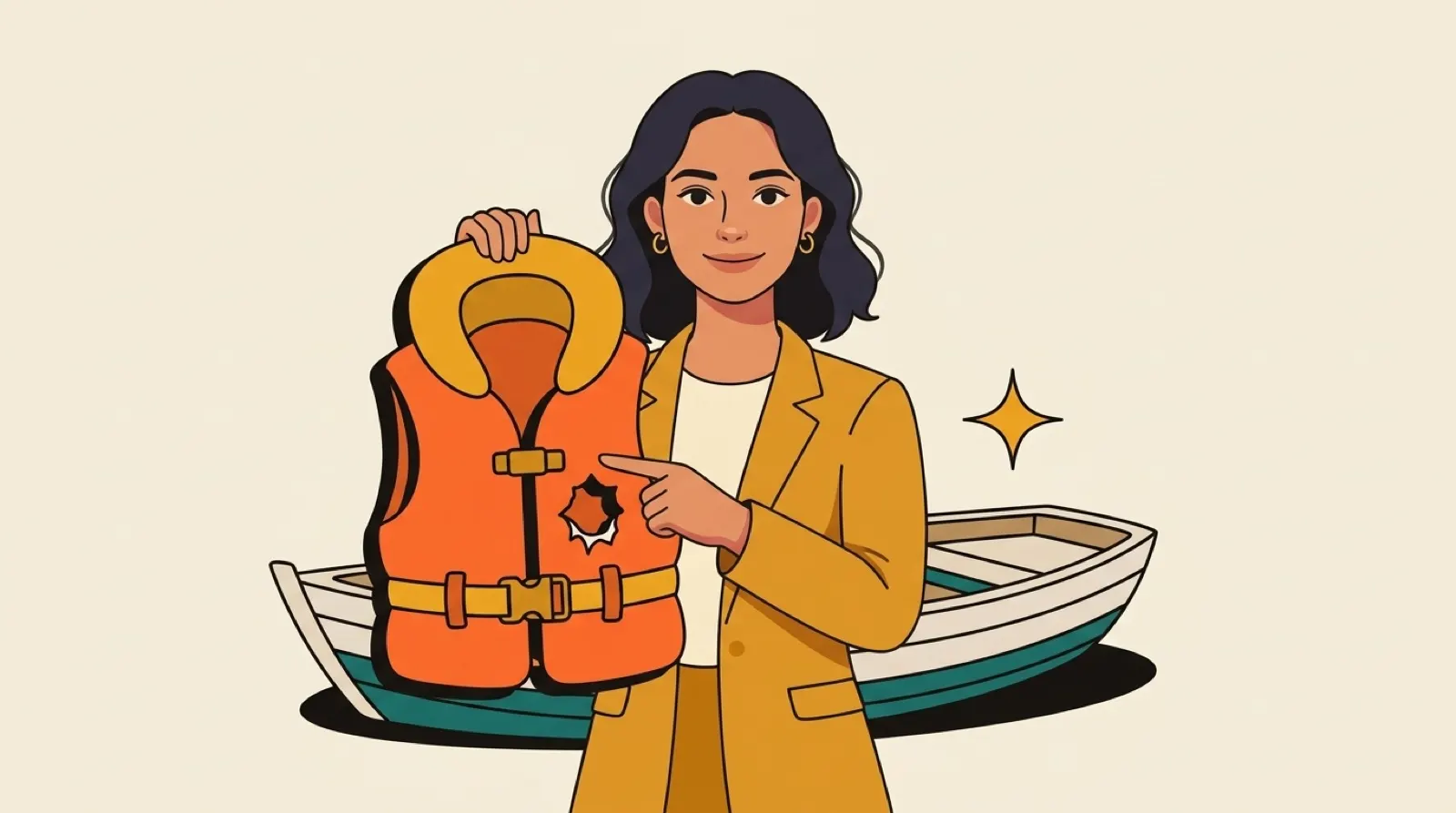
Reality: indemnity moves costs, it doesn't remove liability. The law firm Venable wrote in 2023 that such clauses are generally enforceable, but courts "have increasingly deemed them to be invalid in the context of employment discrimination". It described a "presumption against allowing one entity to contract around its antidiscrimination obligations". Venable was writing about employers and AI vendors; applying it to agency-client contracts is our reading. Your clause's wording and your state decide.
So a client's suit against you is usually a contract fight about what you promised. The table above is the whole picture.
Myth 4: "The EEOC dropped disparate-impact cases, so a skewed shortlist is no longer a legal problem"
Reality: the agency stepped back, the law didn't. In its enforcement plan for 2025-2029, the EEOC said it will not "commence, develop, or continue to pursue litigation advancing disparate impact claims". But disparate impact is in Title VII itself: a practice that causes a disparity must be "job related for the position in question and consistent with business necessity" (42 U.S.C. 2000e-2(k)). Candidates can still sue privately, states enforce their own laws, and no intent is needed.
Four habits that make the shortlist defensible
- Keep a person's decision on every shortlist, able to see why someone ranked low. See whether AI can make the final hiring decision.
- Count your pass rates by group for each client and role. California treats bias testing, or its absence, as evidence, and wants automated-decision records kept four years. Here's how to calculate adverse impact.
- Refuse a discriminatory request in writing, even a "filter setting" like "graduated after 2015".
- Read your two contracts side by side, before you ever reply to an "Indemnity" email. Ask the vendor these AI bias questions too.
CLIENT AGREEMENT                          AI VENDOR TERMS
[ ] Did we warrant our screening is       [ ] Who runs the bias check, and how often?
    lawful? In what words?
[ ] Did we promise to indemnify the       [ ] Who tells candidates that AI is used?
    client? For what, capped at what?
[ ] Did we disclose the AI tool to the    [ ] Will the vendor cooperate (data, logs)
    client, in writing?                       if a claim comes?
Agencies also ask
Does telling the client we use AI shift the risk to them? It may matter in a contract dispute with the client. It doesn't remove your own duty as the agency that referred.
Should we stop using AI screening? Not necessarily. A tool that sorts and explains, with a person deciding and a regular pass-rate check, is easier to defend than an undocumented gut call. Check what fits your clients and states with counsel.
Next step: if you're about to buy or renew, run the AI sourcing software checklist for recruitment agencies before you sign.
This article is general information, not legal advice. Laws differ by country and change often, so consult your lawyer before you rely on it for your situation.